


The award-winning retail RFID platform for total inventory visibility.
Real-time clarity from factory floor to fitting room, so every item is seen, every shelf is full, every promise is kept.
- 9,000+
- stores live
- 70+
- countries
- 2B+
- items tracked
- 99.5%
- item-level accuracy
Retailers are flying blind. And it's costing them millions.
Out-of-stocks cost retail $1.77 trillion a year, and most retailers still have no real-time view of what they own or where it is. Not a technology gap. A clarity crisis, and it shows up in four specific ways.
Phantom inventory
System says 12. Shelf says 3. The sale is lost.
Blind shipments
Cartons arrive unchecked. Errors spread downstream.
Manual counting
Teams spend hours counting instead of selling.
Broken promises
Orders cancel. Shelves stay empty. Trust erodes.
Check the numbers. We left the receipts.
Item-level inventory accuracy in production, against roughly 70% for retailers counting manually.
Source: ClarityRFID deployment dataAverage time from proof of concept to full production deployment, not a multi-year rollout.
Source: ClarityRFID POC programNamed a Leader and Top Implementer among 14 RFID inventory platforms, with the largest handheld store deployment of any vendor reviewed.
Source: ABI Research CA1589, 4Q2025The longer working behind all three — pilot write-ups, field notes, and the counting-time model — is in the research library →
Three stores, three countries, one pilot.
Swedish fashion retailer Lager 157 ran Clarity Store across Naestved in Denmark, Nacka in Sweden, and Raisio in Finland.

"The pilot gave us a completely different level of visibility into our stock, down to the individual item. That's exactly the insight we want as we plan our next stores."
From blur to flow. In one platform.
ClarityRFID replaces fragmented visibility with real-time control, from first scan to final sale.
No visibility. No control.
Fragmented systems. Inconsistent data. Teams relying on manual counts and outdated information, where decisions are reactive and errors are constant.
Real-time visibility. Full control.
Every item is visible and accounted for. Inventory accuracy improves immediately, and teams shift from reacting to making informed decisions.
Operations in motion.
Inventory moves accurately. Teams work faster. Customers find what they need. What was once uncertain becomes predictable and scalable.
Two offerings. One source of truth.
One platform, deployed in two places, upstream and down. Both write to the same item-level record, so the carton audited on the dock arrives in a store that already knows what is inside it.
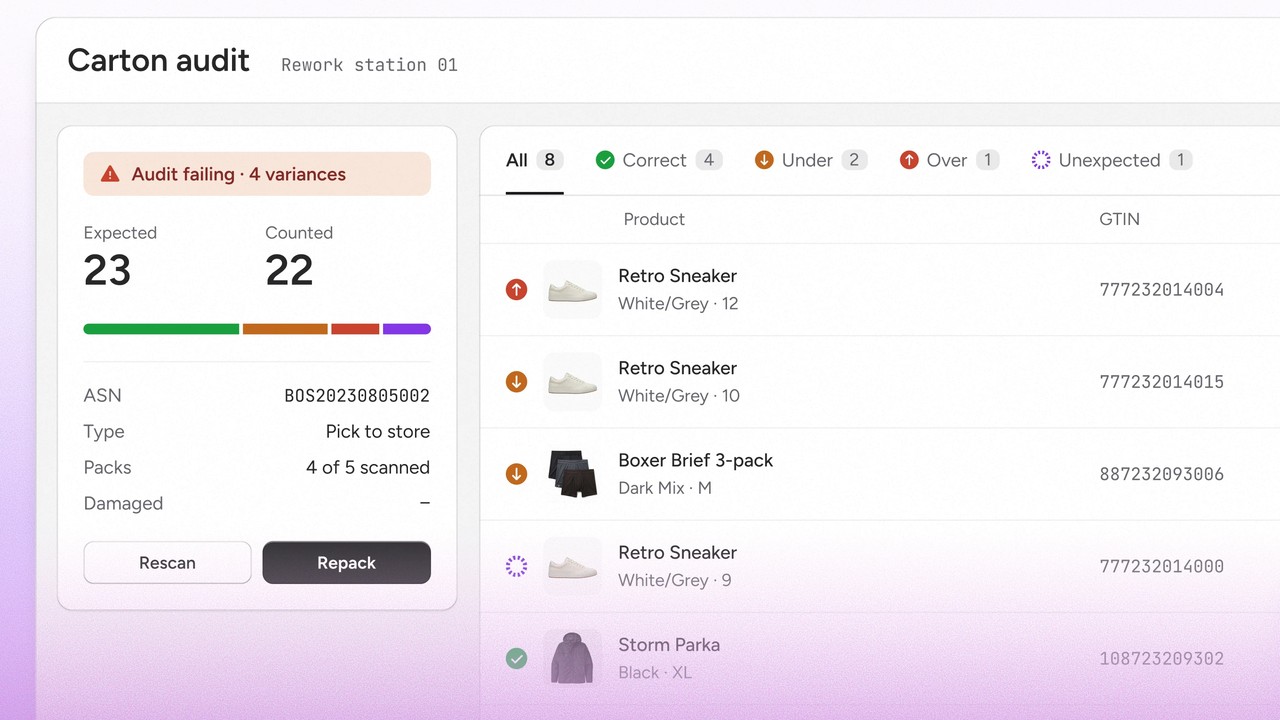
Know what's coming. Before it arrives.
End-to-end visibility from factory to store, catching errors early, enforcing compliance, and ensuring what ships is what shows up.
- Factory-to-store traceability
- Shipment verification before receipt
- Vendor compliance insights
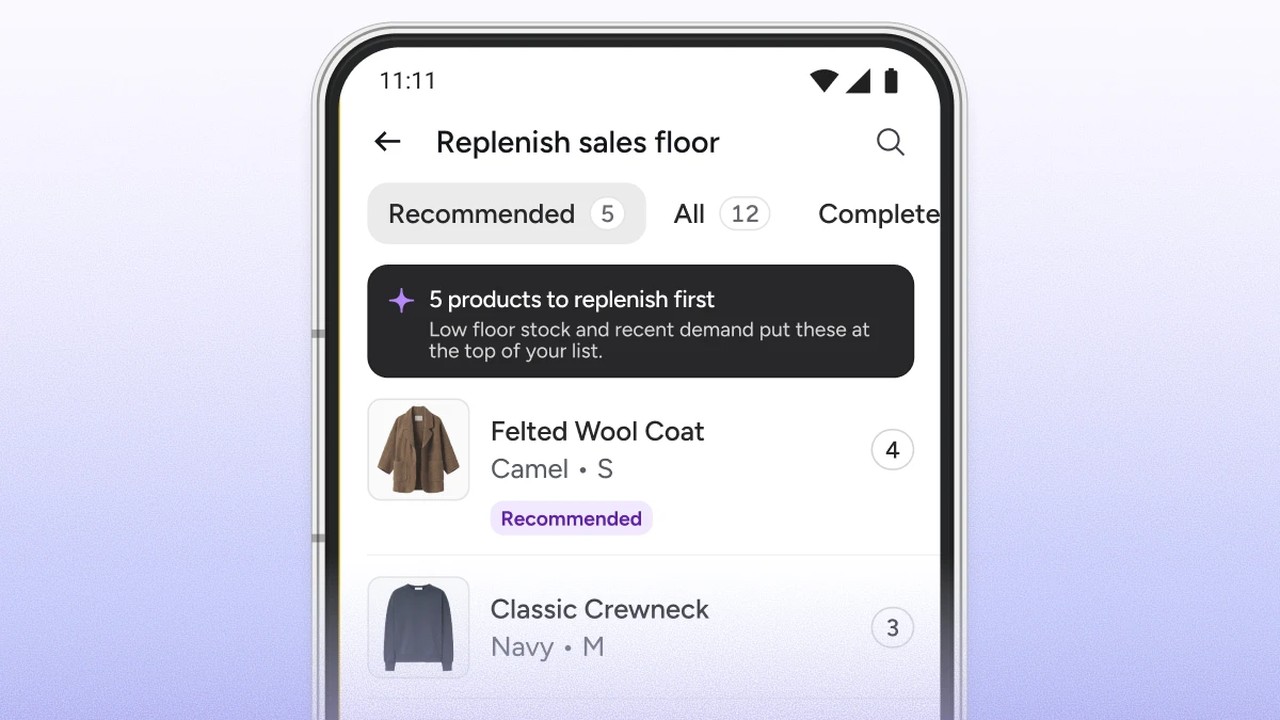
See every product. Serve every shopper.
Real-time store visibility that replaces manual counts with continuous accuracy, so teams always know what is on hand and what to do next.
- 99%+ inventory accuracy
- Intelligent, action-driven replenishment
- Omnichannel fulfillment from the shop floor
Four steps between a tag and a decision.
Not a black box. Here is what physically happens between an item being tagged at the factory and a store colleague being told to fill a gap on the floor, across the two places the reading happens.

No batch processing. No overnight sync. Every tag read updates the record as it happens, which is what makes the fourth step possible at all.
SKU-AW-4820 → 48671,247Synced
SKU-DN-1100 → 1248843Scanning
SKU-FW-0055 → 0089127Low
SKU-AC-3300 → 3412982Synced
What each team needs to know.
Each team arrives at this with a different question. These are the answers.

How much time do my teams get back?
Manual counts become a cycle one colleague runs during trading, and replenishment becomes a list built from the gaps that are actually on the floor.
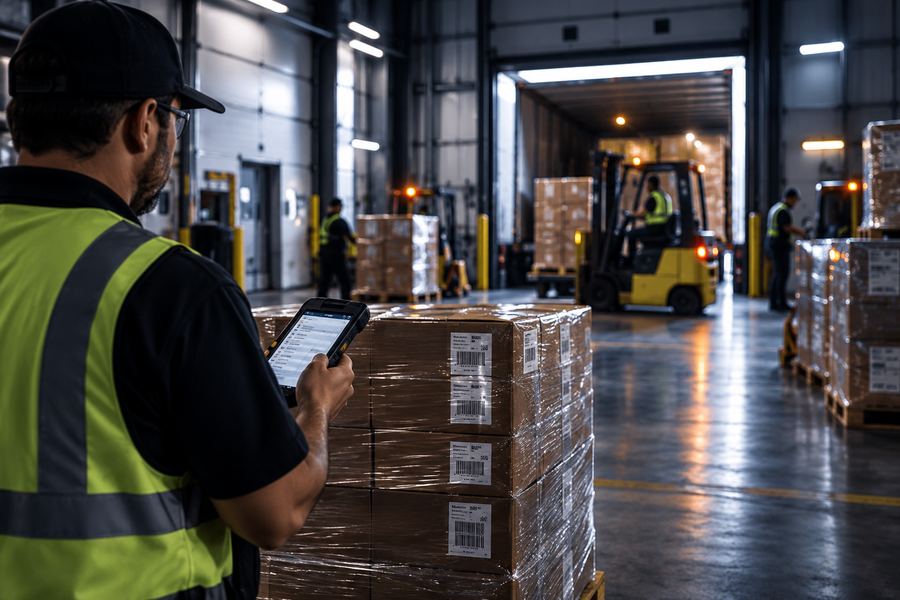
Will we catch errors before a carton ships?
Cartons are verified on the way out and again on the way in, so a mis-pack is found at the dock rather than by a store manager three days later.

Will this work with our ERP and WMS?
Yes. Clarity reconciles item-level reads against the systems you already run, holds its own data layer, and replaces neither of them.
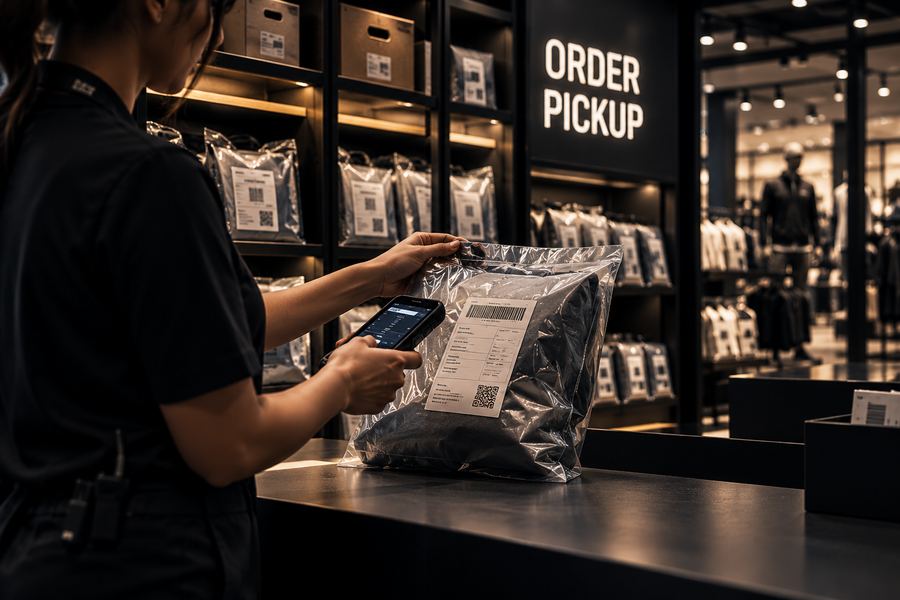
Can we trust store stock for online orders?
Fulfillment runs against a live item-level count, so the stock the website promises is stock the store can actually put in a bag.
Will the same number mean the same thing everywhere?
One counting method and one definition of accuracy across banners and markets, however differently the operations underneath them run.
Every one of those answers is testable.
Most rollouts start in one or two stores. Thirty days, no hardware cost. Run a count, work the replenishment list for a week, and check the answers against your own floor.
Start a free POCThe hours, calculated. The sales, measured.
This models the counting labor, because labor is the part your own numbers can settle. Lost sales are the larger number, and a 30-day POC measures those against your own stock.
The defaults are a starting point, not a claim. Set all four to your own figures, including the reduction, which is an assumption you control rather than a result we are asserting. A POC is how you find out what it actually is in your stores.
Adjust the four inputs to see the counting hours returned each year, the hours left, and what those hours are worth at your own loaded rate.
Common questions, straight answers.
Answers first, detail after. If yours is not here, ask us directly and we will add it.
How long does an RFID rollout actually take?
What inventory accuracy can we expect?
Do we have to replace our ERP or WMS?
What if only some of our products are tagged?
Are we locked into specific RFID hardware?
What does support look like after go-live?
How is ClarityRFID priced?
Every promise, kept.
That is what accurate inventory actually buys you. Every item seen, every shelf full, and every order you accept is one you can fulfill. See clearly. Sell more.